
01372 466 762 
The normal tears of the eye are made up of three layers – an oily (lipid) layer - the first protective layer, a watery (aqueous) layer in the middle, and a sticky (mucous) layer nearest the cornea. In MGD the glands that make the oily layer of the tears are not working properly and this allows the watery layer of the tears to evaporate. This will cause symptoms of dryness and irritation, and can cause blurry vision. Sometimes the eyes can become watery, as they produce more of the poor-quality tears to compensate.
The meibomian glands are inside the eyelids, and the openings are on the edge of the eyelids. When the glands become blocked, the oily part of the tears cannot be efficiently released. It is not usually a serious condition but If it is not treated, the glands may stop working permanently.
Dry eye disease (DED) is a multifactorial disease of the ocular surface characterized by loss of homeostasis of the tear film (the balance of the three layers is disrupted) which leads to symptoms of discomfort, visual disturbance, and instability. As well as this, there is often underlying inflammation.
DED can broadly be divided into two main but often overlapping categories:
Aqueous-deficient DED - Inadequate tear production from lacrimal glands.
Causes: Sjögren’s syndrome, lacrimal gland dysfunction, systemic medications, age-related changes.
Evaporative DED - Excessive tear film evaporation, most commonly due to MGD.
Other causes: Ocular surface exposure, low blink rate, environmental factors.
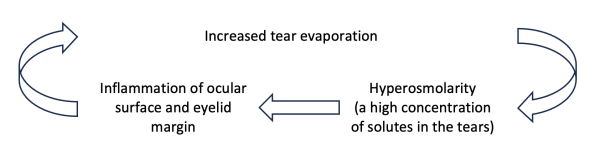
MGD is a common condition and can affect anyone. However, it is more likely to happen after the age of 50, if you have diabetes or oily skin conditions and it is also more common in women.
Symptoms
At Haig-Brown Optometry we now offer intense pulsed light (IPL) and low-level light therapy (LLLT) treatment. In clinical studies this treatment has shown a positive improvement to the symptoms of dry eye disease and meibomian gland dysfunction. IPL uses thermal light pulses, to stimulate the meibomian glands to resume normal activity. It is applied to the periorbital and cheekbone areas, it heats the oil in the glands helping it flow more efficiently stimulates contraction of the glands, this increases the lipid layer of the tear film and reduces the evaporation of tears.
LLLT emits light at a specific wavelength which triggers heating of the eyelids. This treatment eases the spill of the tear film’s oily component from the eibomian glands, stabilizing the lipid layer and providing immediate relief.
No contact with the eye itself is involved.
The treatment is generally safe, but as with any procedure, there are some potential side effects:
Uncommon:
Rare:
These symptoms typically resolve within 24–48 hours. All precautions are taken to minimise risk, including the use of eye protection and skin-cooling gels if required.
This treatment is ideal for:
Contraindications include:
A full clinical assessment will be conducted to determine if you are a suitable candidate
*If you are unsure, please consult your Optometrist or the medical practitioner who prescribed the drugs
PLEASE NOTE: The treatment room is on the first floor, which will involve a flight of stairs. If you have mobility issues, please speak to a member of staff prior to booking.
Many patients report:
- Improved comfort
- Reduced reliance on eye drops
- Better quality of life
Benefits may be noticed after the first session, but optimal results typically appear after the full course.
On removing the mask after each LLLT session you may find your vision is affected and your perception of colours will be temporarily altered. This is a normal effect from exposing the eyes to light of certain colours and will completely resolve in a few minutes.
Skin may feel warm or slightly pink for a few hours after treatment.
Apply a gentle, hydrating moisturiser and broad-spectrum SPF 30+ daily. Wear sunglasses when outside for the first week.
Things to Avoid:
If you have any questions about your treatment, don’t hesitate to contact us. We’re here to support you every step of the way.